Uni5 Healthy Body
- Details
- Parent Category: Uni5 Healthy Body
- Category: Sakthi Herbs
- Hits: 71434
Welcome to Sakthi herbs. Click on the left side menu to which herbs you would like to know.
Herb names in Indian Languages
The Cross Name Index to Medicinal Plants, Four Volume Set, Volume 1 Anthony R. Torkelson https://books.google.com/books?id=trUgpMbT5gcC&pg=PA1792&lpg=PA1792&dq=nasturtium+officinale+malayalam&source=bl&ots=e_KtfYX-Rp&sig=ACfU3U2heUV21XytLH3tiDVLmH7qJz7VLg&hl=en&sa=X&ved=2ahUKEwjqpoOInObmAhUDv54KHebrCKgQ6AEwEXoECAsQAQ#v=onepage&q=nasturtium%20officinale%20malayalam&f=false
There are sections of vegetables fruits, grains, roots and also
miscellaneous foods
https://www.ncbi.nlm.nih.gov/pmc/articles/PMC3331459/pdf/ASL-5-182.pdf
https://www.ncbi.nlm.nih.gov/pmc/articles/PMC3336498/pdf/ASL-14-112.pdf
https://www.ncbi.nlm.nih.gov/pmc/articles/PMC3805093/table/apjtb-03-12-975-t01/
kakkinga kainga Entada rheedii
Guguglu - Tamil https://www.youtube.com/watch?v=pEbIBldk6UA
Cassia tora This is Thakara in Malayalam https://www.ncbi.nlm.nih.gov/pubmed/26185519
In vitro anticancer activity of methyl caffeate isolated from Solanum torvum Swartz. fruit.
Gamma amino butyric acid accumulation in medicinal plants without stress.
Anti-neutrophilic inflammatory steroidal glycosides from Solanum torvum.
Immunomodulatory and erythropoietic effects of aqueous extract of the fruits of Solanumtorvum Swartz (Solanaceae).
Protective effect of Solanum torvum on doxorubicin-induced nephrotoxicity in rats.
Effect of Solanum torvum on blood pressure and metabolic alterations in fructose hypertensive rats.
Antiviral isoflavonoid sulfate and steroidal glycosides from the fruits of Solanum torvum.
Antimicrobial activity of methanolic extract of Solanum torvum fruit.
Induction of tumours by Indian dietary constituents.
100mgm per 25 gm mice/day
100 mgm x =
25 gm X 1000 = 25000 gm or 25 kg x 2= 50 kg
100 mgm x 2000 = 200 grams per day
Artemisia nilagirica ------ Kattukarpooram Kurichia, Kuruma, Kattunaika, Paniya https://academicjournals.org/article/article1380725553_Prasad%20and%20Shyma.pdf https://www.longdom.org/open-access/a-review-on-therapeutic-potential-of-artemisia-nilagirica-2329-9029-1000205.pdf
Kuppameni Acalypha indica https://www.ncbi.nlm.nih.gov/pubmed/28647509
Before Plucking any plant
In the morning the tree should be watered, and then cut on the north eastern side with an axe whose blade has been smeared with honey and ghee. The remaining parts should be cut in a clock wise manner.
Achartha samukasya tvam devasya parikalpita:
Namste vrksha pujeyam vidhivat sampragruhyatam
Yaaniha bhutaani vasanti taani balim grhitvaa vidhivat prayuktam
Anyatra vaasam parikalpayantu kshamantu taanyadya namostu tebhya:
https://www.speakingtree.in/blog/hindus-respect-for-trees-and-forests
ityanenASTadikSu bhUtebhyo baliM dadyAt | tato bhUtabalidAnaM |
bhUtAni yAnIha vasanti loke baliM gRhItvA vidhivatpratyuktam |
anyatra vAsaM parikalpayantu kSamantu tAnyatra namo'stu tebhyaH ||
iti paThitvA bhUtabaliM dadyAt | tato gAyatrIM japet |
prAtaH snAtvA tu gAyatryAH sahasraM prayato japet |
jJAtAjJAtasya pApasya kSayArthaM prathamantataH || iti
vidyAdharAcAryaH |

https://www.mountainroseherbs.com/policies/quality-control/testing
http://www.botanicalauthentication.org/index.php/Terminalia_bellerica_(fruit)

https://www.herbsforever.com/quality-control

https://www.starwest-botanicals.com/category/triphala/
https://www.capsulecontractmanufacturing.com/?gclid=EAIaIQobChMI46D9r8PC5QIVFbvsCh22PgGVEAMYAyAAEgLMvfD_BwE#/faq
Piper Longum Pipli
The fruits are mostly used as culinary spice and preservatives and are also a potent remedy in various traditional medicinal systems against bronchitis, cough, cold, snakebite, and scorpion-sting and are also used as a contraceptive. Various bioactive-phytochemicals including alkaloids, flavonoids, esters, and steroids were identified from the plant extracts and essential oils from the roots and fruits were reported as antimicrobial, antiparasitic, anthelminthic, mosquito-larvicidal, antiinflammatory, analgesic, antioxidant, anticancer, neuro-pharmacological, antihyperglycaemic, hepato-protective, antihyperlipidaemic, antiangiogenic, immunomodulatory, antiarthritic, antiulcer, antiasthmatic, cardioprotective, and anti-snake-venom agents. Many of its pharmacological properties were attributed to its antioxidative and antiinflammatory effects and its ability to modulate a number of signalling pathways and enzymes.
The polyphenol content correlating to the antioxidant activities was higher in the P. trichostachyon, whereas the piperine content was 108 times greater in the P. nigrum fruits. The Piper trichostachyon comparatively showed a higher content of polyphenols.
Curcuma longa turmeric
Zingiberaceae Zingiber officinale ginger
Zingiberaceae Piper longum pipli or long pepper Piperaceae
Piper nigrum black pepper Piperaceae
https://www.ncbi.nlm.nih.gov/pmc/articles/PMC6590564/
Compared to control cultures, black pepper (p<0.0001), ginger (p=0.0004), and pipli (p=0.001), but not turmeric, were Bifidogenic. Turmeric drove expansions of Bacteroidaceae (p=0.03), Desulfovibrionaceae (p=0.01), and particularly Rikenellaceae (p<0.0001) and Lachnospiraceae (p=0.0006). Black pepper supplemented cultures were enriched for Rikenellaceae (p=0.0003), Enterococcaceae (p=0.0013), Erysipelotrichaceae, Alcaligenaceae (p<0.0001), and Enterobacteriaceae (p=0.05) at the expense of Ruminococcaceae (p=0.0008). Ginger strongly induced the increased relative abundance of Coriobacteriaceae (p<0.0001), Rikenellaceae (p=0.0001), Enterococcaceae (p=0.01), Erysipelotrichaceae (p=0.005), and Alcaligenaceae (p=0.03) at the expense of Ruminococcaceae (p=0.0002). Finally, pipli enriched Porphyromonadaceae (p=0.006), Erysipelotrichaceae (p=0.0004), and Alcaligenaceae (p=0.0007) at the expense of Ruminococcaceae (p<0.0001) and Rikenellaceae (p=0.0002).
AMARANTH
Gomphrena globosa (L.) is commonly referred to as the' Bachelor's button / Globe Amaranth / kenop flower and has been identified in a variety
of traditional medicine systems for the treatment of various human diseases. The plant is native of America, spread widely to Asia. Various biological
activities have been reported for Gomphrena species. All parts of Gomphrena globosa (L.) plant can be used as medicine against various diseases. G.
Globosa leaves and flower used as a folk remedy, food colorant, oliguria, heat and empacho, hypertension, antioxidant, antimicrobial, cough, diabetes,
kidney problems, hoarseness, bronchitis, jaundice and high cholesterol. The present review is to focus on the various extraction, phytochemical
evaluation and pharmacological activities of plant Gomphrena globosa. Phytochemicals like betacyanin has been reported for significant antioxidant
activity as well as anti-inflammatory, anticancer, analgesic, cytotoxic and as natural blood coagulant. https://ijrap.net/admin/php/uploads/2378_pdf.pdf
இப்பாடல்
அருந்தமிழ் மருத்துவம் 500 என்ற பாடலில் இருந்து எடுக்கப்பட்டது
சித்த மருத்துவர் பாக்கம் தமிழன்
தமிழ் மருத்துவ அறிவுரைப்பா
மூளைக்கு வல்லாரை
முடிவளர நீலிநெல்லி
ஈளைக்கு முசுமுசுக்கை
எலும்பிற்கு இளம்பிரண்டை
பல்லுக்கு வேலாலன்
பசிக்குசீ ரகமிஞ்சி
கல்லீரலுக்கு கரிசாலை
காமாலைக்கு கீழாநெல்லி
கண்ணுக்கு நந்தியாவட்டை
காதுக்கு சுக்குமருள்
தொண்டைக்கு அக்கரகாரம்
தோலுக்கு அருகுவேம்பு
நரம்பிற்கு அமுக்குரான்
நாசிக்கு நொச்சிதும்பை
உரத்திற்கு முருங்கைப்பூ
ஊதலுக்கு நீர்முள்ளி
முகத்திற்கு சந்தனநெய்
மூட்டுக்கு முடக்கறுத்தான்
அகத்திற்கு மருதம்பட்டை
அம்மைக்கு வேம்புமஞ்சள்
உடலுக்கு எள்ளெண்ணை
உணர்ச்சிக்கு நிலப்பனை
குடலுக்கு ஆமணக்கு
கொழுப்பெதிர்க்க வெண்பூண்டே
கருப்பைக்கு அசோகுபட்டை
களைப்பிற்கு சீந்திலுப்பு
குருதிக்கு அத்திப்பழம்
குரலுக்கு தேன்மிளகே!
விந்திற்கு ஓரிதழ்தாமரை
வெள்ளைக்கு கற்றாழை
சிந்தைக்கு தாமரைப்பூ
சிறுநீர்க்கல்லுக்கு சிறுகண்பீளை
கக்குவானுக்கு வசம்புத்தூள்
காய்ச்சலுக்கு நிலவேம்பு
விக்கலுக்கு மயிலிறகு
வாய்ப்புண்ணிற்குமணத்தக்காளி
நீர்க்கோவைக்கு சுக்குமிளகுநீர்
நீரிழிவிற்கு ஆவாரைக்குடிநீ்ர்
வேர்க்குருவிற்கு பனைநுங்குநீ
வெட்டைக்கு சிறுசெருப்படையே
தீப்புண்ணா குங்கிலியவெண்ணை
சீழ்காதுக்கு நிலவேம்பு
நாப்புண்ணிற்கு திரிபலாவேலன்
நஞ்செதிர்க்க அவரிஎட்டி
குருதிகழிச்சலுக்கு துத்திதேற்றான்
குருதிகக்கலுக்கு இம்பூரல்வேர்
பெரும்பாட்டிற்கு அத்திநாவல்
பெருவயிறுக்கு மூக்கிரட்டை
கக்கலுக்கு எலுமிச்சைஏலம்
கழிச்சலுக்கு தயிர்சுண்டை
அக்கிக்கு வெண்பூசனை
ஆண்மைக்கு பூனைக்காலி
வெண்படைக்கு பூவரசு கார்போகி
விதைநோயா கழற்சிவிதை
புண்படைக்கு புங்கன்சீமையகத்தி
புழுகுடற்கு வாய்விளங்காமணக்கு
கால்வெடிப்பா மருதாணிகிளிஞ்சல்
கரும்படை வெட்பாலைசிரட்டை
கால்சொறிக்குவெங்காரபனிநீர்
கானாகடிக்கு குப்பைமேனிஉப்பே
உடல்பெருக்க உளுந்துஎள்ளு
உளம்மயக்க கஞ்சாகள்ளு
உடல்இளைக்க தேன்கொள்ளு
உடல் மறக்க இலங்கநெய்யே
அருந்தமிழர் வாழ்வியலில்
அன்றாடம்சிறுபிணிக்கு
அருமருந்தாய் வழங்கியதை
அறிந்தவரை உரைத்தேனே!
இதே போல அருமையான பாடல்களை தஞ்சையில் உள்ள சரஸ்வதி மஹால் சுவடிகளில் காணலாம். சரஸ்வதி மஹால் வெளியீடுகளும் அற்புதமானவை.
- Details
- Parent Category: Uni5 Healthy Body
- Category: Sakthi Herbs
- Hits: 13142
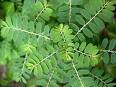 Nela Nelli
Botanical name - Phylanthus niruri (acidus)
Assamese Holpholi; Poram-lokhi
Bengali Noar
Hindi Chalmeri; Harfarauri
Kannada Kirunelli
Konkani Bhuin-avalae
Malayalam Kizhanelli; Nellipuli; Arinelli
Mahrathi Ray avali
Oriya Narakoli
Sanskrit Bhoodatreo
Tamil Arunelli; Kilanelli
Telegu Ratsavusirike
The plant has long been usThe annual herb Phyllanthus niruri is best known by the common names stone-breaker, chanca piedra and quebra pedra, but has many other common names in assorted languages, including dukong anak, dukong-dukong anak, amin buah, rami buah, turi hutan, and bhuiaonla. It is a widespread tropical plant commonly found in coastal areas. It is a relative of the spurges, belonging to the leafflower genus of Family Phyllanthaceae.
ed as an herbal remedy for urinary calculi, and has been shown in modern medical research studies to reduce the risks of stones in individuals prone to the condition. Research on the plant continues to determine if it has any other beneficial effects. It may have antiviral activity.
Its root, leaves, fruits, milky juice, and whole plants are used as medicine. According to Ayurvedic system of medicine it is considered acrid, cooling , alexipharmic and useful in thirst, bronchitis, leprosy, anemia, urinary discharge, anuria, biliousness, asthma, for hiccups, and as a diuretic. According to Unani system of medicine herb is stomachic and good for sores and useful in chronic dysentery. Fruits useful for tubercular ulcers, wounds, sores, scabies and ring worm (Agharkar 1991; Krishnamurty 1993). The fresh root is believed to be an excellent remedy for jaundice. A poultice of the leaves with salt cures scabby affection and without salt applied on bruise and wounds. The milky juice is a good application to offensive sores. The bark yields a bitter principle phyllanthin. The infusion of the root and leaves is a good tonic and diuretic when taken cold in repeated doses. In different parts of India, specially, in Chhattisgarh state, there is a rich traditional medicinal tradition concerning this weed (Caius 1986; Oudhia and Tiwari 2001). In many parts of India, it is commonly used for the treatment of snake bite. The active compounds phyllanthin and hypophyllanthin have been isolated from leaves. Recently, lignansniranthin, nirtetralin, and phyltetralin have been isolated from leaves. (Rastogi and Mehrotra, 1991) It is a major component of many popular liver tonics in India including Liv.-52. Fresh juice and powder of dried plant are used most frequently in Ayurvedic preparations (Sastry and Kavatherkar, 1991). The plant is used as a fish poison. In many parts of India specially in deserts, the roots mixed with Commiphora mukul are given to camels to cure indigestion. The decoction of leaves and stem are used for dyeing cotton black. (Singh et al. 1996).
It is one of the herbs mentioned in all ancient scriptures of Ayurveda. Bhamyamalaki is also known as tamalaki, bahupatra, bhadhatri, visnuparni, uttama etc. Maharsi Caraka has categorized it as kasahara – alleviates cough and svasahara relieves asthma. It has been cited in Ayurvedic texts that bhumyamalaki increases the appetite, is digestant, laxative and a liver stimulant. It is beneficial in cough, asthma, urinary diseases, jaundice, malaria and enlargement of liver and spleen.
During the last decade, bhumyamalaki has attracted the attention of scientists all over the world, because of its hepatprotective activity. All forms of viral hepatitis have a common pathology of acute inflammation of the entire liver. Epatic cell necrosis is associated with leaucocytic and histiocytic reaction .At present, five different varieties of viral hepatitis are known but major ones are Hepatitis A and Hepatitis B. No. effective specific therapy is available for treatment of hepatitis due to these viruses. Bhumyamalaki has shown clinical efficacy in Viral Hepatitis B, with modern parameters.
Bhumyamalaki grows throughout India, more common in central and southern regions. It is an annual herb which grows 30-60 cm in height. It is quite glabrous; stem often branched at the base. The leaves resemble to those of amalaki, but are more broad and thick. They are oblong obtuse, numerous and in pairs. The flowers are yellowish, axillary and numerous. The male flowers are 1-3, whereas female flowers are solitary. The fruits are globose, depressed capsules and the seeds are pale brown in colour. There are 3-4 different varieties of phyllanthus.
The botanical name of bhumya malaki is Phyllanthus niruri and it belongs to family Euphorbiaceae. Isolation of phyllanthin and hypophyllanthin from leaves). Three new lignansniranthin, nirtetralin and phyltetralin – isolated from leaves. The seed oil contained ricinoleic acid (1.2), linoleic (21.0) and linolenic (51.4%) acids. A new flavone glycoside isolated and characterized as fisetin – 4-O- glucoside; rutin, quercetin, quercetrin and astralgin also isolated a new lignan – nirphyllin and a new neolignan – phyllnirurin – from aerial parts.
Properties
Bhumyamalaki is bitter, astringent and sweet in the post digestive effect (vipaka) and has cold potency (virya). It alleviates kapha and pitta dIt possesses light (laghu) and dry (ruksa) attributes. It is specially used as an alleviator of pitta dosa and is salutary in excessive thirst, hyperacidity, anaemia, cough and the blood disorders. (Bhavaprakasa Nighantu)
Uses
The whole plant juice is used for medicinal purpose. The paste of its leaves is applied, externally, in the skin diseases, wounds and ulcers. In fractures, the pulp of the leaves mixed with salt is applied externally, to hasten the healing. In the diseases of the eye, the root juice, mixed with sugar, is instilled into nostrils in hiccup.
Internally, it is benevolent in gastrointestinal ailments like loss of appetite, constipation, hyperacidity and excessive thirst. It also mitigates diarrhea and dysentery. The decoction of bhumyamalaki augments the liver functions and is used as a blood purifier in hepato-splenomegaly. It calms down the pitta. In women, menorrhagia and leucorrhea is effectively treated with the seeds of bhumyamalaki. The also are rewarding in urinary diseases, diabetes, diabetes and chronic fever. The fresh juice of the whole plant works well, when given with ghee, in menorrhagia. In diabetes, the mixture of powders of bhumyamalaki, cardamom, cinnamon and amalaki is beneficial. The excessive thirst due to pitta vitiation is alleviated with the decoction of the herb in milk. Bhumyamalaki can also be of help as a general tonic in debility. It has a mild diuretic activity, so is useful as an adjunct, in the treatment of dysuria.
The effect of bhumyamalaki on chronic carriers of Hepatitis – B – virus was studied clinically, In a preliminary study, carriers of Hepatitis – B – virus were treated with the preparation of the plant phyllanthus niruri for 30 days. 22 of 37 (59%) treated patients has lost Hepatitis B surface antigen when tested 15-20 days after the end of the treatment compared with only 1 of 23 (4%) placebo treated controls. Some subjects have been followed up for upto 9 months. In no case has the surface antigen returned. Clinical observation reveals few or no toxic effects. The encouraging results of this preliminary study recommend continued evaluation of the plant and the active principles isolated from it (The Lancet, Oct 1, 1988, PP 764-766).
Excellent source on Kheezarnelli
https://www.yogisherbs.com/keezhanelli-liver-herb/
കീഴാര്നെല്ലി എന്ന് കേള്ക്കാത്ത മലയാളി പഴയ തലമുറയില് ഉണ്ടാകാന് തരമില്ല. മഞ്ഞപ്പിത്തം എവിടെയുണ്ടോ അവിടെ കീഴാര്നെല്ലി ഉണ്ട്.
ഭൂമ്യാമലകികാ പ്രോക്താ ശിവാ താമലകീതിച
ബഹുപത്രാ ബഹുഫലാ ബഹുവീര്യാ ജടാപിച
ഭൂധാത്രീ വാതകൃത്തിക്താ കഷായാ മധുരാഹിമാ
പിപാസകാസപിത്താസ്ര കഫപാണ്ഡു ക്ഷതാപഹാ
(ഭാവപ്രകാശം)
ദ്രാക്ഷാഭയാമലക പിപ്പലീ ദുരാലഭാ ശൃംഗീ
കണ്ടകാരികാ വൃശ്ചീര പുനര്നവാ താമലക്യ
ഇതി ദശേമാനി കാസഹരാണി ഭവന്തി |
ശടീ പുഷ്കരമൂലാമ്ളവേതസൈലാഹിംഗ്വഗുരൂ
സുരസാ താമലകീ ജീവന്തീ ചണ്ഡാ
ഇതി ദശേമാനി ശ്വാസഹരാണി ഭവന്തി |
(ചരകം)
കീഴാര്നെല്ലിയ്ക്ക് ഭൂമ്യാമലകികാ, ശിവാ, താമലകീ, ബഹുപത്രാ, ബഹുഫലാ, ബഹുവീര്യാ, അജടാ, ഭൂധാത്രീ ഇങ്ങനെ പേരുകള്. സസ്യശാസ്ത്രനാമം phyllanthus niruri.
തിക്ത-കഷായ-മധുര രസം. ശീത വീര്യം.
വാതത്തെ വര്ദ്ധിപ്പിക്കും. കാസം, തണ്ണീര്ദാഹം, രക്തദോഷം, കഫം, പാണ്ഡുരോഗം (അനീമിയ), ക്ഷതം എന്നിവയെ ശമിപ്പിക്കും.
കാസശ്വാസഹരവും, മൂത്രത്തെ വര്ദ്ധിപ്പിക്കുന്നതും, ദാഹത്തെ ശമിപ്പിക്കുന്നതും, ശോഫഹരവും, വ്രണത്തെ ഉണക്കുന്നതും, ജ്വരഹരവും ആകുന്നു. പഞ്ചാംഗകഷായം മലേറിയയെ ശമിപ്പിക്കും.
മഞ്ഞപ്പിത്തത്തിനുള്ള ഒറ്റമൂലിയാണ് കീഴാര്നെല്ലി.
പച്ച വേര് ഒരു ഉറുപ്പികത്തൂക്കം (10 ഗ്രാം) അരച്ചു ഒരു ഗ്ലാസ് ശീതോഷ്ണപയസ്സില് (കറന്ന ഉടനെയുള്ള പാലില്) കലക്കി ദിനം രണ്ടു നേരം സേവിച്ചാല് മഞ്ഞക്കാമല (മഞ്ഞപ്പിത്തം) ദിവസങ്ങള്ക്കുള്ളില് ശമിക്കും.
വേരോ, ഇലയോ ഉണക്കി ചൂര്ണ്ണം ആക്കി ഓരോ സ്പൂണ് വീതം കഴിച്ചാലും ഫലം സിദ്ധിക്കും.
കരള് രോഗങ്ങളില് കീഴാര്നെല്ലി ചേര്ന്ന ഈ പ്രയോഗം അതീവഫലപ്രദമാണ്. ജീരകം, ഏലത്തരി, കല്ക്കണ്ടം, പറിച്ചുണക്കിയ കീഴാര്നെല്ലി ഇവ നാലും വെവ്വേറെ നന്നായി പൊടിച്ചുവെച്ച് ആവശ്യമുള്ളപ്പോള് നാലും സമമെടുത്ത് പാലില് ചാലിച്ച് ഒരു നേരം 5 ഗ്രാം മുതല് 10 ഗ്രാം വരെ പ്രഭാതത്തില് വെറും വയറ്റില് കഴിക്കാം.ഇത് എല്ലാ കരള്രോഗങ്ങളിലും ഫലപ്രദമാണ്. കരളിലെ ദീപനരസങ്ങളെ സാധാരണരീതിയിലാക്കാനും, അണുബാധ മാറ്റാനും ഈ ഔഷധം സഹായകമാണ്. ഫാറ്റി ലിവര് ഉള്ളവരില് ഇത് ഫലപ്രദമാണ്.
കീഴാര്നെല്ലിയുടെ സ്വരസം നിത്യേന വെറും വയറ്റില് കഴിക്കുന്നതും കരള്രോഗങ്ങളില് ഗുണപ്രദമാണ്. 5 ml മുതല് 15 ml വരെ കഴിക്കാം.
പൂയസ്രാവം (gonorrhea) അസ്ഥിസ്രാവം (leucorrhoea) അത്യാര്ത്തവം (menorrhagia) മറ്റു ജനനേന്ദ്രിയ മൂത്രാശയ സംബന്ധിയായ രോഗങ്ങളിലും കീഴാര്നെല്ലി ഫലപ്രദമാണ്. കീഴാര്നെല്ലി സമൂലം ചതച്ചു പിഴിഞ്ഞെടുത്ത നീര് ചൂടുള്ള പാലില് രാവിലെ കഴിക്കാം. ഒരു ഔണ്സ് കീഴാര്നെല്ലിനീരും മൂന്ന് ഔണ്സ് പാലും ആണ് കണക്ക്.
കീഴാര്നെല്ലി സമൂലം കഷായം വെച്ചു കഴിക്കുന്നത് പ്രമേഹത്തില് ഗുണകരമാണ്. ഇതേ കഷായം ചുമയും നെഞ്ചുവേദനയും ഉള്ളപ്പോഴും ഫലപ്രദമാണ്.
അഞ്ചു മില്ലി ചിറ്റമൃതിന് നീരും പത്തു മില്ലി കീഴാര്നെല്ലി നീരും ഇരുപതു മില്ലി മുക്കുറ്റിനീരും നാല്പ്പതു മില്ലി നെല്ലിക്കാനീരും കൂടി അരക്കഴഞ്ച് (രണ്ടര ഗ്രാം) വരട്ടുമഞ്ഞള്പ്പൊടി ചേര്ത്തു കഴിച്ചാല് ഏതു പ്രമേഹവും വരുതിയിലാകും.
നെല്ലിക്കാനീര്, കീഴാര്നെല്ലിയുടെ നീര്, ചിറ്റമൃതിന്റെ നീര്, വരട്ടുമഞ്ഞള്പ്പൊടി ഇവ ചേര്ത്തു കഴിച്ചാലും പ്രമേഹം നിയന്ത്രണത്തിലാകും. അഞ്ചു മില്ലി ചിറ്റമൃതിന്നീരും, പത്തു മില്ലി കീഴാര്നെല്ലിനീരും, നാല്പ്പതുമില്ലി നെല്ലിക്കാനീരും ചേര്ത്ത്, അതില് അരകഴഞ്ച് വരട്ടുമഞ്ഞള്പ്പൊടി ചേര്ത്തു കഴിക്കാം.
കീഴാര്നെല്ലി പിഴിഞ്ഞ നീര് – 10 ml, ചിറ്റമൃതിന് നീര് – 5 ml, മുക്കുറ്റി നീര് – 20 ml, നെല്ലിക്കാനീര് – 40 ml, വരട്ടുമഞ്ഞള്പ്പൊടി – 2.5 gm എന്നിവ ചേര്ത്തു നിത്യം സേവിച്ചാല് പ്രമേഹം നിയന്ത്രണത്തിലാകും.
മേല്പ്പറഞ്ഞ മൂന്ന് ഔഷധങ്ങള് ഉപയോഗിക്കുമ്പോഴും രക്തത്തിലെ ഷുഗര് കുറയാതെ ശ്രദ്ധിക്കണം. ഏതു പ്രമേഹവും ഈ പ്രയോഗം കൊണ്ടു വരുതിയിലാകും.
കീഴാര്നെല്ലിയുടെ ഇലയും വേരും കഷായം വെച്ച് കുറച്ചു നാള് കവിള്ക്കൊണ്ടാല് വായ്പ്പുണ്ണ് പിന്നീടൊരിക്കലും ഉണ്ടാകാത്ത വിധം ശമിക്കും.
കീഴാര്നെല്ലി സമൂലം പറിച്ച് ഉണക്കി പൊടിച്ചു ചൂര്ണ്ണമാക്കി, കഞ്ഞിവെള്ളത്തില് ചാലിച്ച് മുറിവുകളിലും വ്രണങ്ങളിലും വെച്ചുകെട്ടിയാല് മുറിവുകളും വ്രണങ്ങളും ശമിക്കും.
കീഴാര്നെല്ലിയുടെ ഇലയും കരയാമ്പൂവും മുലപ്പാലില് അരച്ച് നെറ്റിയില് ലേപനം ചെയ്താല് ശക്തമായ തലവേദനയും ശമിക്കും.
കീഴാര്നെല്ലി പാലില് അരച്ചു തലയില് നിത്യം പൊതിഞ്ഞാല് തലയില് രോമവളര്ച്ചയില്ലാത്തവരില് രോമവളര്ച്ച ഉണ്ടാകും എന്ന് ഒരു യൂനാനി പ്രയോഗം ഉണ്ട്.
കീഴാര്നെല്ലി അരച്ച് മോരില് (തക്രം) സേവിച്ചാല് സാധാരണ ഛര്ദ്ദി നില്ക്കും. കൃമിബാധയുള്ളവര് സേവിച്ചാല് കൃമികള് നശിക്കും.
കീഴാര്നെല്ലി സമൂലം പറിച്ചെടുത്ത് അരച്ചു മോരില് സേവിച്ചാല് പഴകിയ ആമാതിസാരവും രക്താതിസാരവും ശമിക്കും.
അഞ്ചു വയസ്സില് താഴെ പ്രായമുള്ള ബാലകരില് മലബന്ധം ഉണ്ടായാല് കീഴാര്നെല്ലി അരച്ച് വെണ്ണചേര്ത്ത് വയറ്റിന്മേല് പുരട്ടിയാല് ശോധന ഉണ്ടാകും.അഞ്ചു വയസ്സിനു മുകളില് പ്രായമുള്ളവരില് ഈ പ്രയോഗം അത്ര ഫലപ്രദമല്ല.
ചിലരില് പിത്തം മൂലം തലചുറ്റലും തല പുകച്ചിലും ഉണ്ടാകാറുണ്ട്. ഇത്തരം അവസ്ഥയില് എള്ളെണ്ണയില് ഇരട്ടി കീഴാര്നെല്ലിയുടെ സ്വരസം ചേര്ത്തു കാച്ചി പാകമാക്കി പുരട്ടുന്നത് തലചുറ്റലും മൂര്ദ്ധാവ് പുകച്ചിലും മാറാന് സഹായകമാണ്.
കീഴാര്നെല്ലിയുടെ നീരില് നല്ല മുളങ്കര്പ്പൂരം സേവിക്കുന്നത് എല്ലാത്തരം പാണ്ഡുതകള്ക്കും ലുക്കീമിയയ്ക്കും അതീവഫലപ്രദമാണ്.
കീഴാര്നെല്ലി ഇന്തുപ്പു ചേര്ത്ത് അരച്ച് ചെമ്പുപാത്രത്തില് വെച്ച്, കണ്ണില് തേച്ചാല് നേത്രാഭിഷ്യന്ദം കൊണ്ടുള്ള നീരും വേദനയും മാറുമെന്നു ചക്രദത്തം.
കീഴാര്നെല്ലി അതീവപ്രഭാവമുള്ള ഔഷധി ആണ്. തൊട്ടുരിയാടാതെ വേണം പറിച്ചെടുക്കാന്. ഔഷധിയിലെ ദേവതയോട് പ്രാര്ത്ഥിച്ചു വേണം പറിച്ചെടുക്കാന് എന്ന് പഴമക്കാരായ വൈദ്യവിശാരദന്മാരുടെ മതം.
(courtesy : Swami Nirmalanandagiri)
- Details
- Parent Category: Uni5 Healthy Body
- Category: Sakthi Herbs
- Hits: 8653
Amla may be effective in treating diabetes, and in an in vitro study, amla demonstrated nearly the same ability as a leading chemotherapy drug in cutting tumor growth, and the amla powder preserved and even enhanced normal cell growth.
Amla has been used in Ayurvedic, Chinese, and Thai medicine for centuries, and preclinical studies have shown that it possesses many disease-combatting properties. It has also been used as a snake venom neutralizer and hair tonic, and may be an effective component in homemade mouthwash.”
Amla Enhances Mitochondrial Spare Respiratory Capacity by Increasing Mitochondrial Biogenesis and Antioxidant Systems in a Murine Skeletal Muscle Cell Line https://www.ncbi.nlm.nih.gov/pmc/articles/PMC4909908/
Nutraceutical effects of Emblica officinalis in age-related macular degeneration.
Emblica officinalis Gaetrn (i.e., Phyllanthus emblica/ Indian gooseberry/ Amla) (EO) has been used extensively as a nutraceutical in several diseases since it is known to boost immunity and offers numerous health benefits such as antioxidant, anti-inflammatory, and anti-aging effects. The goal of our study was to test the hypothesis that EO will rescue human AMD RPE transmitochondrial cells from mitochondria-induced cellular damage. AMD RPE transmitochondrial cell lines were created by fusion of mitochondria DNA-deficient APRE-19 (Rho0) cells with platelets isolated from AMD patients, and therefore had identical nuclei but differed in mitochondrial DNA content. These AMD RPE cells were treated with EO extract followed by characterization of effects of EO using cellular and molecular assays. Herein, EO significantly improved live cell number and mitochondrial membrane potential, reduced apoptosis and oxidative stress, down-regulated VEGF, and up-regulated PGC-1α. In conclusion, EO improved cellular and mitochondrial health, thereby playing a key cytoprotective role in AMD in vitro. Further studies are required to examine the mechanisms that mediate the cytoprotective effects of EO.
Arulkumaran S, Ramprasath VR, Shanthi P, Sachdanandam P.
Chem Biol Interact. 2007 Apr 25;167(2):99-106. Epub 2007 Feb 4.
https://www.ncbi.nlm.nih.gov/pmc/?term=mitochondrial+biogenesis+ayurveda
The Indian gooseberry (Emblica officinalisor Phyllanthus emblica) is a deciduous tree of the Euphorbiaceae family. It is known for its edible fruit of the same name.  Common names of this tree include amalaka in Sanskrit, amla in Hindi, amlaki in Bengali, amba in Nepal Bhasa, usirikai in Telugu, and nellikai in Kannada and Tamil as well as aonla, aola, ammalaki, amla berry, dharty, aamvala, aawallaa, emblic, emblic myrobalan, Malacca tree, nillika, and nellikya in various other languages.
Medicine
For medicinal purposes dried and fresh fruits of the plant are used. Amla fruit is sour and astringent in primary taste,with sweet, bitter and pungent secondary tastes, and is cooling in action. It is light and dry. [2] It is a rasayana tonic that promotes longevity, and is especially good for the heart. It strengthen the lungs, helping to fight chronic lung problems as well as upper respiratory infections. [3]The fruit allegedly contains 720 mg of vitamin C per 100 g of fresh fruit pulp, or up to 900 mg per 100 g of pressed juice. Apart from this it also contains tannins; a reason why even dried form retains most of the vitamin content. The fruit is an adaptogen which means it is a food grade, nontoxic herb that normalizes body function, balances the neuroendocrine system and improves immunity. In Ayurveda the fruit alone is considered a rasayana for pitta.[4]
The fruit contains a series of diterpenes referred to as the gibberellins, as well as the triterpene lupeol, flavonoids (e.g. kaempherol-3-O-ß-Dglucoside, quercetin-3-O-ß-Dglucoside), and polyphenols (e.g. emblicanin A and B,punigluconin and pedunculagin). Also present are the phyllantine and zeatin alkaloids, and a number of benzenoids including amlaic acid, corilagin, ellagic acid, 3-6-di-O-galloyl-glucose, ethyl gallate, 1,6-di-O-galloyl-ß-Dglucose, 1-di-O-galloyl-ß-Dglucose, putranjivain A, digallic acid, phyllemblic acid, emblicol, and alactaric acid.[5]
Particularly in Southern India, the fruit is pickled with salt, oil, and spices, and also used as a primary ingredient in the Ayurvedic rasayana (5) tonic Chyawanprash and in the nourishing laxative triphala where it is mixed with chebulic and belleric myrobalans. The Caraka Samhita, the main text of Ayurvedic herbal medicine, describes emblic and chebulic myrobalans as possessing the same virtues, though they have slightly different nature:
They have healing virtues and are auspicious (used in sacred and ceremonial occasions). They restore the faults (doshas) to their normal course. They are light (as food). They enkindle digestive fire, and are good pacanas (digestive aids). They promote longevity and induce nourishment. They deserve every praise (for the virtues they possess). They prevent the effects of age more than any other drug. They alleviate all varieties of ailments, and impart strength to the intellect and the senses. They quickly conquer vitiligo, abdominal tumors, flatulence, dropsical swellings (edema), chlorosis, alcoholism, piles, ailments of the grahani (duodenum), chronic intermittent fever, diseases of the chest, diseases of the head, diarrhea, disgust for food, cough, gonorrhea, epistasis, enlargement of the spleen, abdominal dropsy when new, discharge of phlegm matter, hoarseness of the voice, discoloration or loss of complexion, anemia, intestinal worms, waste of dhatus (main body components), some forms of asthma, vomiting, loss of virility, weakness of the limbs, blockage of ducts of various kinds, sensation like a wet blanket covering the chest, a similar sensation in the heart, and dullness of the memory and understanding. Those who are suffering from indigestion, those who habitually take dry food and drink, those who have been weakened by sexual indulgence and wine and poisons, and those who are afflicted by hunger and thirst and heat, should eat myrobalans.
Courtesy of http://en.wikipedia.org/wiki/Indian_gooseberry
- Details
- Parent Category: Uni5 Healthy Body
- Category: Sakthi Herbs
- Hits: 8760
In India, the tree is variously known as "Divine Tree", "Heal All", "Nature's Drugstore", "Village Pharmacy" and "Panacea for all diseases". Products made from neem have proven medicinal properties, being anthelmintic, antifungal, antidiabetic, antibacterial, antiviral, anti-infertility, and sedative. It is considered a major component in Ayurvedic medicine and is particularly prescribed for skin disease[citation needed].
- Neem twigs are used for brushing teeth in India, Bangladesh and Pakistan. This practice is perhaps one of the earliest and most effective forms of dental care.
- All parts of the tree (seeds, leaves, flowers and bark) are used for preparing many different medical preparations.
- Neem oil is used for preparing cosmetics (soap, shampoo, balms and creams), and is useful for skin care such as acne, and keeping skin elasticity.
- Besides its use in traditional Indian medicine the neem tree is of great importance for its anti-desertification properties and possibly as a good carbon dioxide sink.
- Practictioners of traditional Indian medicine recommend that patients suffering from Chicken Pox sleep on neem leaves.
- Neem Gum is used as a bulking agent and for the preparation of special purpose food (those for diabetics).
This section is about from wikipedia. Please click below link for more details.
Please click here to read more from wikipedia

- Details
- Parent Category: Uni5 Healthy Body
- Category: Sakthi Herbs
- Hits: 16168
Aloe vera is a species of Aloe, native to northern Africa. A. vera has been used externally to treat various skin conditions such as cuts, burns and eczema. It is alleged that sap from Aloe vera eases pain and reduces inflammation.
Click here to see How to Harvest Fresh Aloe Vera Gel.
To know more about how to use the plant for medicinal purpose is given in this below article - The aloe vera miracle: A natural medicine for cancer, cholesterol, diabetes, inflammation, IBS, and other health conditions. Click the link to read about collecting the leaf for internal adn external application.
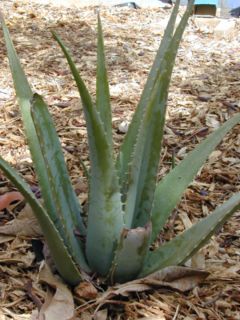 Medicinal uses
A. vera's beneficial properties may be attributed to mucopolysaccharides present in the inner gel of the leaf, especially acemannan (acetylated mannans). An injectable form of acemannan manufactured and marketed by Carrington Laboratories as Acemannan Immunostimulant™ has been approved in the USA for treatment of fibrosarcoma (a type of cancer) in dogs and cats after clinical trials. It has not been approved for use by humans, and although it is not a drug its sale is controlled and it can only be obtained through a veterinary doctor.
Cosmetic companies add sap or other derivatives from A. vera to products such as makeup, moisturisers, soaps, sunscreens, shampoos and lotions, though the effectiveness of Aloe vera in these products remain unknown. A. vera gel is also alleged to be useful for dry skin conditions, especially eczema around the eyes and sensitive facial skin[citation needed].
An article published in the British Journal of General Practice suggests that A. vera is effective at treating athlete's foot.
Whether or not it promotes wound healing is unknown, and even though there are some promising results, clinical effectiveness of oral or topical A. vera remains unclear at present.
Aloe vera juice may help some people with ulcerative colitis, an inflammatory bowel disease.
Parts that can be used
The lower leaf of the plant is used for medicinal purpose. If the lower leaf is sliced open, the gel obtained can be applied on the affected area of the skin. Leaves and seeds are the two edible parts of Aloe Vera[citation needed].
Use in foods
In Japan Aloe Vera is commonly used as an ingredient in commercially available yogurt. There are also several companies which produce Aloe Vera beverages.[1]
In Pakistan, the plant has been used for centuries as a carminative and digestive aid. The dried gel is mixed with seeds of various herbs and consumed after a meal[citation needed].
Tribes in the Hazara region of the North West Frontier Province have been using Aloe Vera for centuries to improve physical endurance, probably due to the high nutrient content of the gel.
People in Rajastahn state of India prepare vegetable out of Aloe Vera along with fenugreek seeds[citation needed].
People in Tamil nadu, another state of India prepare a curry using Aloe Vera which is taken along with Indian bread or Rice.
In Mexico some people make smoothies out of Aloe Vera.
Courtesy of http://en.wikipedia.org/wiki/Aloe_vera
ALOE VERA — called Kumari (the maiden) in Sanskrit because it imparts the energy of youth and tones the female organs. Aloe vera also has a history of being a skin lotion of repute — Cleopatra is said to have attributed her beauty to it, massaging fresh aloe gel into her skin to make it glow. Aloe is one of the few non-narcotic plants to have caused a war. When Alexander the Great conquered Egypt in 332 B.C., he heard of a plant with amazing wound healing properties on an island off Somalia. On being denied this herb to treat his soldiers, he sent in an army to seize the island and the plant — the aloe. The great physician Dioscorides recommended applying aloe externally on wounds, haemorrhoids and ulcers.
Aloe vera is an excellent first aid remedy to keep in the house for minor burns, cuts, scalds and sunburns. Every kitchen garden should have a plant. In case of need, one of the thick fleshy leaves can be broken off, the green outer layer scraped off and thick gel applied to the affected area.
Aloe gel not only spurs wound healing but also keeps injured skin from getting infected. Aloe vera is a great wound healer because it contains various compounds such as bradykinase, salicylic acid, and magnesium lactate that reduce inflammation and swelling.
It helps regulate the monthly cycle and the ayurvedic preparation Kumaryasava is prescribed by many ayurvedic physicians for toning the female organs. Of course this preparation contains, besides Aloe vera, some 38 other ingredients.
Aloe gel is a wonderful tonic for the liver and spleen. It reduces Pitta in the system. Aloe regulates sugar and fat metabolism. It also cures peptic ulcers. Two teaspoons of the fresh gel can be taken with a pinch of turmeric. The gel must be repeatedly washed down with water as, otherwise, it could act as a laxative.
Consuming the gel internally, while perfectly safe, should be done with care. It should be discontinued during the menstrual period, pregnancy and breast-feeding and by those suffering from kidney disease and haemorrhoids.
Aloe is the perfect houseplant because it requires little water and hardly any care. It prefers the sun but tolerates shade and does not mind poor soil. The only conditions that this hardy succulent cannot tolerate are poor drainage and cold temperature.
http://www.hinduonnet.com/thehindu/mag/2003/02/23/stories/2003022300170700.htm