Uni5 Healthy Body
- Details
- Parent Category: Uni5 Healthy Body
- Category: Sakthi Pharmacy
- Hits: 12068
|
||||||||||||||||||||||||||||||||||||||||||||||||||||||||||||||||||||||||||||||||||||||||||||||||||||||||||||||||||||||||||||||||||||||||||||||||||||||||||||||||||||||||||||||||||||||||||||||||||||
 |
Home | Disclaimer | Contact us | |||||||||||||||||||||||||||||||||||||||||||||||||||||||||||||||||||||||||||||||||||||||||||||||||||||||||||||||||||||||||||||||||||||||||||||||||||||||||||||||||||||||||||||||||||||||||||||||||||
| Sakthi Foundation Inc. - 2007 |
- Details
- Parent Category: Uni5 Healthy Body
- Category: Sakthi Pharmacy
- Hits: 14588
|
CEREALS/ MILLETS |
BOTANICAL NAME-FAMILY |
Tamil |
Malayalam |
Hindi |
Telugu |
Sanskrit |
Marathi |
fiber |
| Teff | Eragrostis tef |
|
|
|
|
|
|
|
Teff is a tiny grain (150 grains weigh only as much as a kernel of wheat) with a distinctive flavor. Native to northern Africa, it has been a staple of 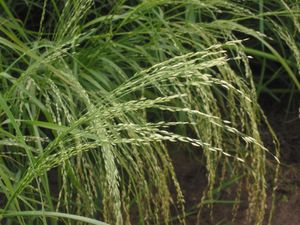 Ethiopian cooking for thousands of years, and it is the main ingredient in the traditional flat bread called injera. Teff is now grown in the United States, primarily in Idaho. Because teff is gluten-free, it’s a good choice for people who need to avoid gluten and wheat. Courtesy of Teff & Co.
Teff comes in white, brown, and red. The flavor of each is best described as nutty. Teff is used in cereals and in baked goods like crackers, cookies, and breads. It is available packaged as a whole grain or flour.
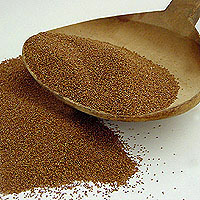 Yet another of the super grains, gluten-free teff is one of the nutritious giants. It is much higher in iron and calcium that wheat, rice, millet or oats. It is also a rich source of other minerals including magnesium, boron, copper, phosphorous and zinc.
Teff is the smallest grain in the world so tiny it takes 150 teff seeds to equal the weight of a single wheat kernel. Because it is so tiny, the entire grain must be milled since there is no way to remove the germ or the husk. Teff has been the "rice and wheat" of Ethiopia for centuries.
Teff now comes in three colors: red, brown and white. White is the most delicate and the mildest of the three. Even though it is white, it is not processed. The red and brown teff have a richer, nuttier flavor.
Teff is a grain prominent in Ethiopian cuisine, and although it is native to northern Africa, it is now being cultivated in Idaho, of all places. Teff happens to be one of the smallest grains in the world, measuring only about 1/32 of an inch in diameter. One cup of cooked teff contains 387 milligrams of calcium (40 percent of the USRDA, which is more than milk), 15 milligrams of iron (100 percent of the USRDA) and is high in protein as well as fiber. You can buy teff in its whole grain state or ground into flour for baking. And I can tell you from experience that teff makes the best pie crust I've ever had.
Teff has been widely cultivated and used in the countries of Ethiopia, India and its colonies, and Australia. Teff accounts for about a quarter of total cereal production in Ethiopia.[2] The grain has a high concentration of different nutrients, a very high calcium content, and high levels of phosphorus, iron, copper, aluminum, barium, and thiamin. A big advantage, the iron from teff is easily absorbed by the body. Teff is high in protein. It is considered to have an excellent amino acid composition (including all 8 essential amino acids for humans) and has lysine levels higher than wheat or barley. Because of this variety, it stimulates the flora of the large intestine. Teff is high in carbohydrates and fiber. It contains no gluten, so it is appropriate for those with gluten intolerance or celiac disease.
- Details
- Parent Category: Uni5 Healthy Body
- Category: Sakthi Pharmacy
- Hits: 12498
Feronia limonia Swingle
Feronia elephantum Correa
Limonia acidissima L.
Schinus limonia L.
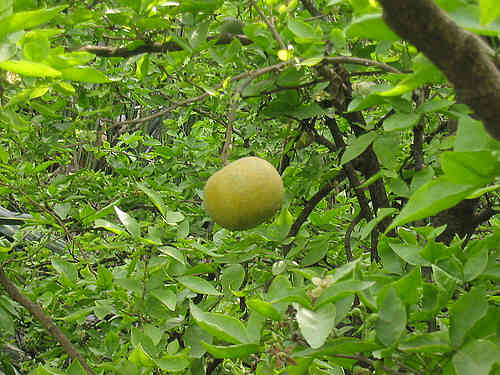
In Hinduism, the Lord Shiva is said to live under the Bael tree. In India, the tree is often found in temple gardens and its leaves are used in religious celebrations.It is also popularly known as Bilva, Bilwa, Bel, Kuvalam, Koovalam, or Beli fruit, Bengal quince, stone apple, and wood apple.
The fruit is much used in India as a liver and cardiac tonic, and, when unripe, as an astringent means of halting diarrhea and dysentery and effective treatment for hiccough, sore throat and diseases of the gums. The pulp is poulticed onto bites and stings of venomous insects, as is the powdered rind.
Juice of young leaves is mixed with milk and sugar candy and given as a remedy for biliousness and intestinal troubles of children. The powdered gum, mixed with honey, is given to overcome dysentery and diarrhea in children.
Oil derived from the crushed leaves is applied on itch and the leaf decoction is given to children as an aid to digestion. Leaves, bark, roots and fruit pulp are all used against snakebite. The spines are crushed with those of other trees and an infusion taken as a remedy for menorrhagia. The bark is chewed with that of Barringtonia and applied on venomous wounds.
The unripe fruits contain 0.015% stigmasterol. Leaves contain stigmasterol (0.012%) and bergapten (0.01%). The bark contains 0.016% marmesin. Root bark contains aurapten, bergapten, isopimpinellin and other coumarins.
THE YAJUR VEDA mentions the bael tree, but the Charaka Samhita, an Ayurveda treatise from the 1st millennium BC, was the first book to describe its medicinal properties. Hindu scriptures abound in references to the bael tree and its leaves. The devotees of Lord Shiva commonly offer bael leaves to the deity, especially on Shivaratri; this probably explains why bael trees are so common near temples. Hindus also believe that goddess Lakshmi resides in bael leaves.
As food: Indonesians beat the pulp of the ripe fruit with palm sugar and eat the mixture at breakfast. The sweetened pulp is a source of sherbet in the subcontinent. Jam, pickle, marmalade, syrup, jelly, squash and toffee are some of the products of this versatile fruit. Young bael leaves are a salad green in Thailand.
Other uses: Bael fruit pulp has a soap-like action that made it a household cleaner for hundreds of years. The sticky layer around the unripe seeds is household glue that also finds use in jewellery-making. The glue, mixed with lime, waterproofs wells and cements walls. The glue also protects oil paintings when added as a coat on the canvas. The fruit rind yields oil that is popular as a fragrance for hair; it also produces a dye used to colour silks and calico.
Nutrition: A hundred gm of bael fruit pulp contains 31 gm of carbohydrate and two gm of protein, which adds up to nearly 140 calories. The ripe fruit is rich in beta-carotene, a precursor of Vitamin A; it also contains significant quantities of the B vitamins thiamine and riboflavin, and small amounts of Vitamin C. Wild bael fruit tends to have more tannin than the cultivated ones; tannin depletes the body of precious nutrients, and evidence suggests it can cause cancer.
Medicinal uses: The bael fruit is more popular as medicine than as food. The tannin in bael has an astringent effect that once led to its use as a general tonic and as a traditional cure for dysentery, diarrhoea, liver ailments, chronic cough and indigestion. In fact, Vasco da Gama's men, suffering from diarrhoea and dysentery in India, turned to the bael fruit for relief. The root juice was once popular as a remedy for snakebites.
The seed oil is a purgative, and the leaf juice mixed with honey is a folk remedy for fever. The tannin-rich and alkaloid-rich bark decoction is a folk cure for malaria.
- Details
- Parent Category: Uni5 Healthy Body
- Category: Sakthi Pharmacy
- Hits: 11411
|
CEREALS/ MILLETS |
BOTANICAL NAME-FAMILY |
Tamil |
Malayalam |
Hindi |
Telugu |
Sanskrit |
Marathi |
fiber |
| Sanwa/ Japanese Millet |
bread and buttermilk?"
- Details
- Parent Category: Uni5 Healthy Body
- Category: Sakthi Pharmacy
- Hits: 10964
|
CEREALS/ MILLETS |
BOTANICAL NAME-FAMILY |
Tamil |
Malayalam |
Hindi |
Telugu |
Sanskrit |
Marathi |
fiber |
| Amaranth | Chaulai | |||||||
|
Bajara Pearl millet |
Pennisetum-typhoidcum - Graminae Pennisetum americanum |
cumbu |
cumbu |
Bajra |
sajja |
Varjari |
Bajiri |
|
| Banyard | Echinochloa colona | Kudiraivalli | Jhangora | |||||
|
Barley |
Hordeum vulgare - Graminae |
Barley |
Barley |
Barley |
Barley |
|
|
|
| Buckwheat | Fagopyrum Tataricum | Kaspat or Oggal or Phapar | ||||||
|
Chaama |
Panicum sarmenntosum or sumstrense - Shama Millet |
saamai |
chaama |
Koda |
|
kutki |
|
|
| Corn | Zea-mays - Graminae |
|
|
|
|
|
|
|
|
Oats |
Avena Sativa |
|||||||
| Proso Millet | Panicum miiiaceaum (HOG MILLET) | PANIVARAGU | CHENA | |||||
| Quinoa | ||||||||
|
Ragi |
Elucine coracana - Graminae |
Ragi | Panja-pullu, pullu, Ragi | MANDIKA | ||||
|
Rice |
Oryza sativa - Graminae |
|||||||
|
Rough Chaff or Prickly Chaff |
Achyranthus aspera - Amrantaceae |
|||||||
| Rye |
|
|
|
|||||
| Sanwa/ Japanese Millet | ||||||||
|
Spelt |
|
|
|
|
|
|
|
|
| Teff | Eragrostis tef |
|
|
|
|
|
|
|
|
Thena-Italian (fox) Millet |
Steria-Italica - Graminae |
thenai |
thena |
Kangani |
korulu |
NAVANE |
|
|
| Varagu - Fox tail Australia Ditch Millet, Hureek |
Kodo Millet Paspalum scrobiculatum |
Varagu |
|
Khododhan, Kodoadhan (Bengali)_ |
|
KODARA |
|
|
|
Wheat |
Triticum-sativum - Graminae |
|
|
|
|
|
|
|
bread and buttermilk?"